Photorealistic 3D modeling: more sales, higher margins
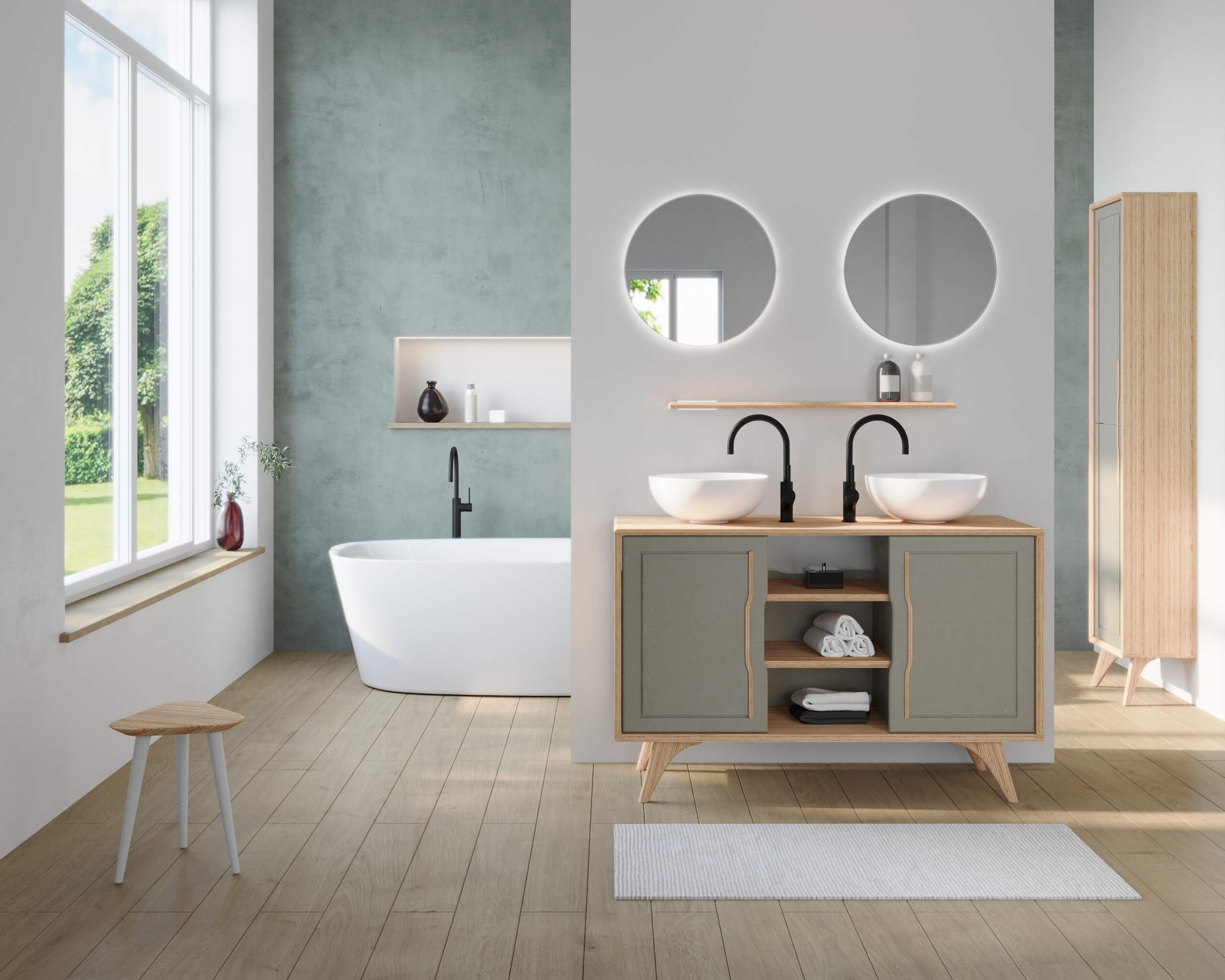
We can no longer hide from the fact that photorealistic 3D modeling has become indispensable for furniture dealers and retailers. The reason is simple: it solves major problems during product development and launch. Instead of groping your way forward, you’ll be able to produce fantastic promotional material, while ensuring a good return on your investment.
With photorealistic 3D modeling, designers and craftsmen need not fear that all their efforts will be wasted by investing heavily in faulty prototypes. They can predict the outcome with a degree of certainty: by submitting visuals to a panel of customers, they can gauge public reaction. In this way, they can fine-tune their product, knowing where to improve.
Photorealistic 3D modeling, or customized 3D visualization, is highly effective at every stage of the project, making the task easier and safer for all concerned. And customers benefit too: they get exactly what they need. It’s a win-win situation!
Wondering how rendering services can help you launch your brand new product? Take a look at these 5 rules to help your sales take off.
#1. 3D rendering lets you weigh up the pros and cons before production

With the help of a photorealistic 3D modeling service, a manufacturer can evaluate every detail of his creation without producing physical prototypes. This is an advantageous option, especially considering the resources required to create traditional pre-production models. In particular, the latter involves purchasing all the materials required to produce a full-scale prototype, then waiting a fairly long time until the pilot model is ready. What’s more, building a single prototype is never enough. The manufacturer needs a series of models – first cheaper ones to test functions, then more expensive prototypes to get the full impression in terms of usability and aesthetics.
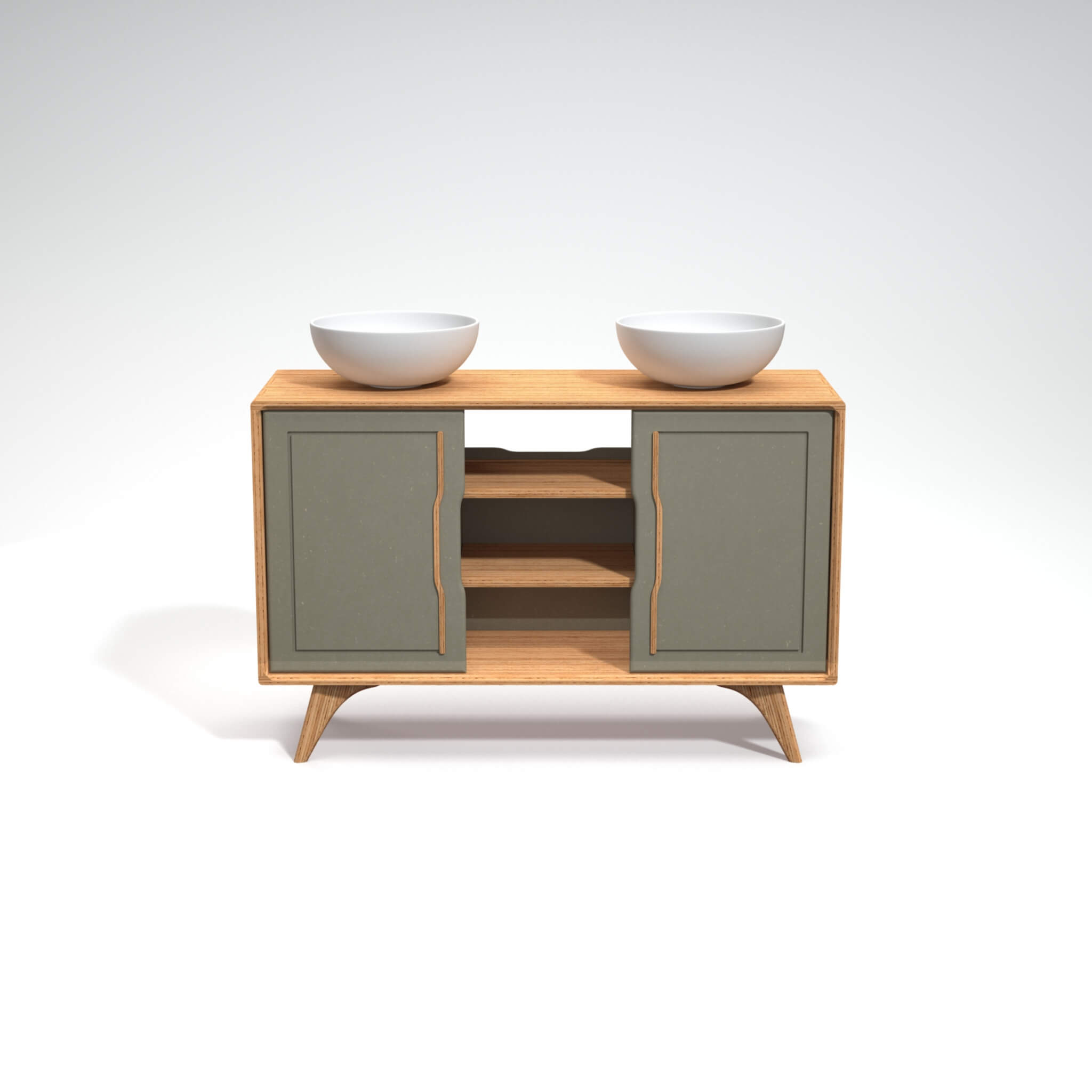
Fortunately, photorealistic 3D modeling enables brands to skip all these unnecessary steps. Using 3D renderings, a virtual pre-production prototype can be obtained. This prototype can then be refined step by step, adding new functional and aesthetic features. There’s no need to build anything, since the whole process takes place in digital space. And, of course, changing an existing 3D rendering and applying variations is much faster than producing a new physical object each time the design is modified.
#2. Photorealistic 3D modeling helps to correct errors at start-up


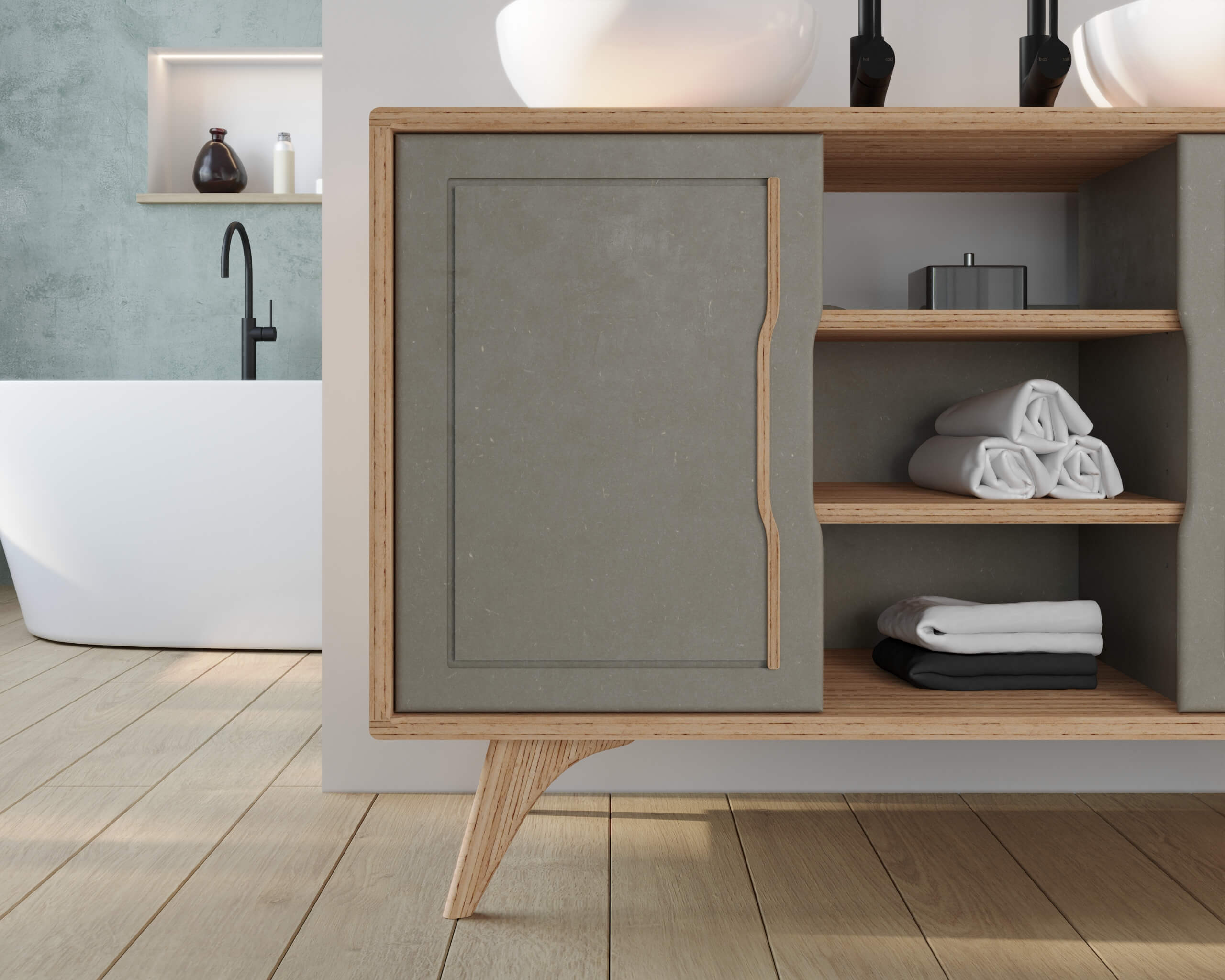
Photorealistic 3D modeling helps eliminate errors before manufacturing. However impeccable a design may seem in theory, it can turn out to be a fiasco in reality. Sometimes a crucial issue goes unnoticed from the outset – like an elegant velvet sofa that’s too bulky, or a wooden bar counter that turns out to be too narrow. Fortunately, 3D artists are able to create a digital prototype that allows you to see everything in the design phase and fine-tune sketches.
Finding errors in the design phase using 3D renderings is an excellent way of refining the final result quickly and at a reasonable price. This way, the brand will launch the best versions of the product on the first try, without the usual “trial and error” scenario.
#3. 3D visualization improves marketing campaigns

Custom 3D photorealistic rendering is a real asset in terms of situational marketing. Some time ago, there was only one way to get thematic product photos for advertising – and it was time-consuming, slow and expensive. First, the marketing manager had to have prototypes made, then buy lots of decorative items, book a photo studio and transport it all for a shoot. Then he had to wait for the photographer to set the scene, adjust the lighting, take a thousand photos and process them. Then, finally, the marketing manager would receive his promotional visuals.
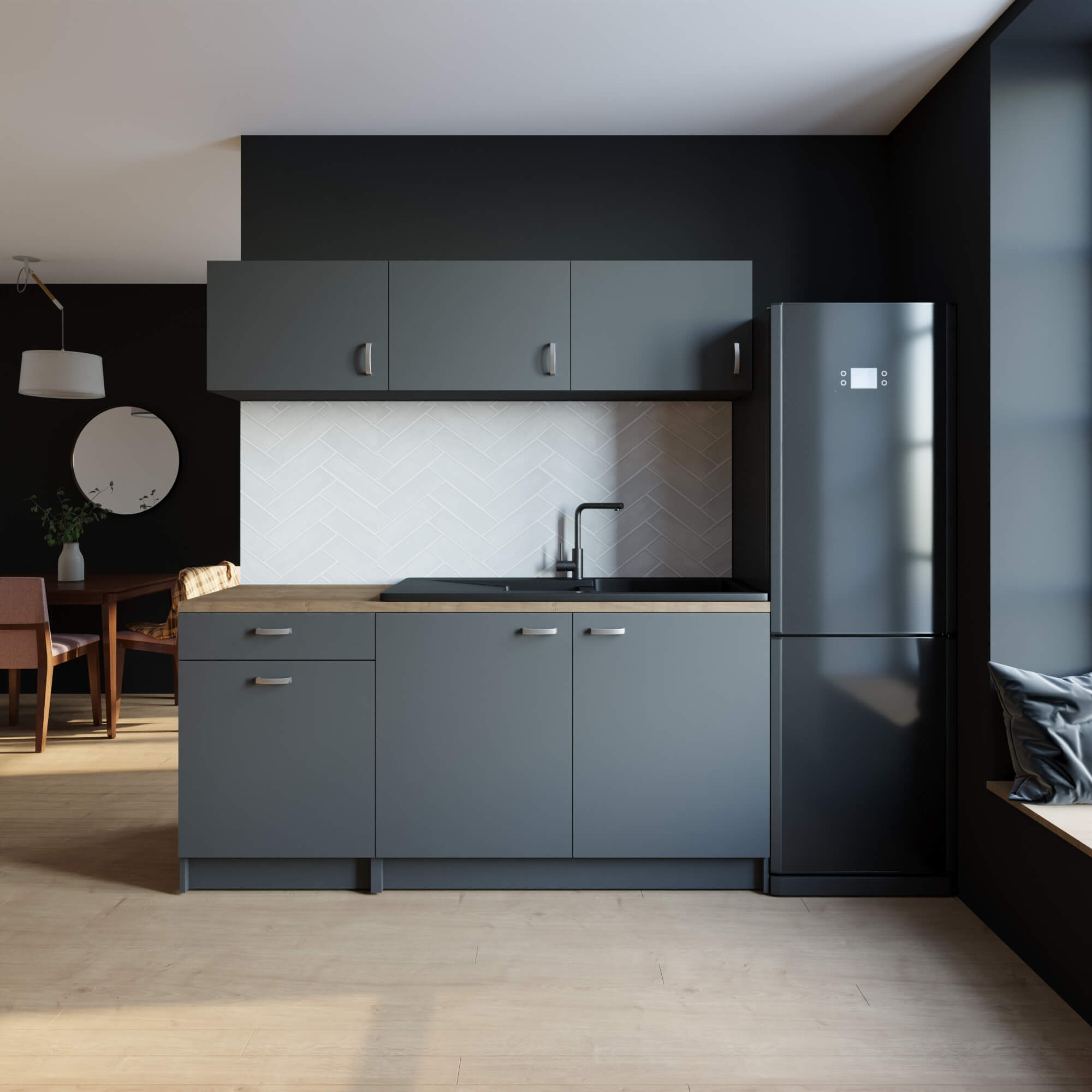
But now there’s another way. With the advent of photo-realistic 3D modeling, manufacturers can simply send a product photo or sketch on their smartphone and get 3D models for all design options. No photoshoot, no set, no transport – everything is done digitally. What’s more, the marketer can reuse these same digital models for every advertising campaign. The 3D artist transforms these models into a new virtual scene, either outdoors or indoors, with a new background and decor – and brand-new images are ready! This is much faster, easier and cheaper than organizing photo shoots for every occasion.
#4. Photorealistic 3D modeling lets you test all the options


Previously, it was difficult to choose the best version of a product among many others. A brand first had to produce prototypes of all the variants, then conduct surveys and organize consultation sessions. The choice of version was based on the opinions gathered through these surveys and focus groups. Yet these efforts were no guarantee of market success.
Far from it, in fact. The fact is, the buying decision is primarily an emotional one. We think of ourselves as rational beings, but that’s not how we act. So, when a customer fills in a questionnaire, he or she answers rationally. But what about emotions? Well, unless a prospect is faced with a choice in the store, there’s no way of knowing whether they’ll buy. But wait, there is: photorealistic 3D modeling.
Because 3D rendering lets you test the product by selling it in advance. No need for prototypes or photos: the marketer simply receives 3D visuals of all possible options: articles on the website, blog or social networks, and allows customers to place pre-orders. It’s that simple!
#5. 3D rendering helps determine product-market fit
Product-market fit refers to the match between a product’s features and the requirements of buyers in a given market. Achieving this match ensures sustained sales and positive feedback. Failure means the spectre of unsold products being consigned to the scrap heap. Previously, finding this product-market balance meant launching the product, then gathering customer recommendations and opinions about it. This was the only way for the marketer to understand how to improve the design so that the item met the requirements of the target audience.
Today, photorealistic 3D modeling makes it possible to find the product-market fit at the pre-production stage. The process of gathering customer feedback is now carried out using 3D models instead of real elements. Marketers can use 3D visuals and video animations to gather opinions on how to refine the offer. As a result, the brand will devote resources to releasing only the best versions of its projects. This will help lower costs and win customer appreciation.
”Photo-realistic 3D modeling provides a complete picture of a future product's features and potential commercial success. The latest visualization technologies save time and money, and prevent disappointment for both customer and manufacturer. Essentially, 3D rendering technologies help to develop the design, determine what to make, how much to make and how to improve it.
Do you want to ensure the success of your new designs? Do you want to free yourself from the prototyping process and its expense? Contact our 3D visualization agency for furniture, and we’ll provide you with 3D models and renderings of the highest quality.