5 ways to use 3D visualization in marketing
The use of 3D virtual visualization in marketing is constantly evolving, offering brands new opportunities to connect with their audiences. Technological advances are making it possible to create immersive experiences for consumers, helping them to better visualize products and environments, enhance the user experience, and increase purchase intent. In this article, we’ll explore current trends in 3D virtual visualization in marketing, and how brands can use them to enhance their content strategy.
3D visualization improves user experience and brand recall

3D virtual imagery is increasingly used in marketing to create an immersive user experience and reinforce brand recall. By allowing consumers to immerse themselves in a virtual world, 3D visualization creates a stronger emotional connection with the brand. This emotional connection is crucial to strengthening brand recall with consumers.
What’s more, 3D virtualization offers an additional visual advantage over traditional 2D images. It creates a more realistic and immersive environment, enhancing the user experience. Consumers can explore products interactively, giving them a more detailed and accurate insight into product features and functionality. This can also increase consumers’ purchase intent.
By using 3D visualization, brands can also create exclusive content that is not possible with other types of media. Virtual reality product simulations, virtual store tours and virtual fitting experiences are examples of the types of content that can only be created with 3D virtual imagery. This enables brands to stand out from the competition and offer consumers a unique experience.
In short, the use of 3D visualization in marketing creates an immersive user experience that enhances brand recall. The technique also offers additional visual benefits and enables the creation of exclusive content not possible with other types of media. Brands using 3D visualization will be able to create a stronger brand experience for consumers.
Augmented reality and virtual reality: key trends in 3D virtual imagery for marketing
Augmented reality and virtual reality are technologies that enable brands to create immersive experiences for consumers by combining physical reality with virtual elements.
Augmented reality, in particular, is increasingly used to help consumers visualize how a piece of furniture or decorative object will fit into their space. Mobile apps allow consumers to virtually place furniture in their living room or bedroom, giving them a clear idea of the final appearance. This enables consumers to make more informed purchasing decisions and reduce returns.
Virtual reality, meanwhile, allows consumers to immerse themselves in a totally immersive environment. Brands can use virtual reality to create immersive experiences for consumers that might otherwise be impossible to reproduce using 2D images or video alone. Starting with a 3D model of the piece of furniture, virtual reality applications enable consumers to virtually visit stores, test products or move around virtual environments such as a museum or art gallery.
By using augmented reality and virtual reality in their marketing, brands can create a unique user experience that reinforces brand recall. By using 3D visualization to combine physical reality with virtual elements, brands can also offer a more personalized and interactive shopping experience. This has the effect of improving conversion rates and sales for brands using these technologies in their marketing.
360° video and panoramic images for content marketing
360° visualization and panoramic image techniques are increasingly used as part of content marketing strategies. These techniques enable brands to create immersive content that gives consumers a 360° view of products and environments.
Panoramic images are typically used to show furniture and architecture in a real-life context. Consumers can explore panoramic images to get a 360° view of rooms and furniture, giving them a better understanding of product appearance and dimensions. Panoramic images can also be used to create livelier, more immersive content, which can encourage consumers to physically visit stores.
360° video, meanwhile, enables brands to create immersive video content that gives consumers a 360° view of products, environments and experiences. 360 videos can be used to show furniture in a real or virtual context. 360 views can also be used to create virtual tours of stores or buildings for consumers who can’t physically visit them.
By using 360° visualization and panoramic images in their content marketing, brands can create immersive experiences for consumers that give them a 360° view of products, environments and experiences. This can improve consumers’ understanding of products and environments, and encourage them to physically visit stores or buy products online. The use of these 3D visualization techniques is an asset for brands seeking to stand out in their sector.
3D visualization: a new opportunity for e-commerce


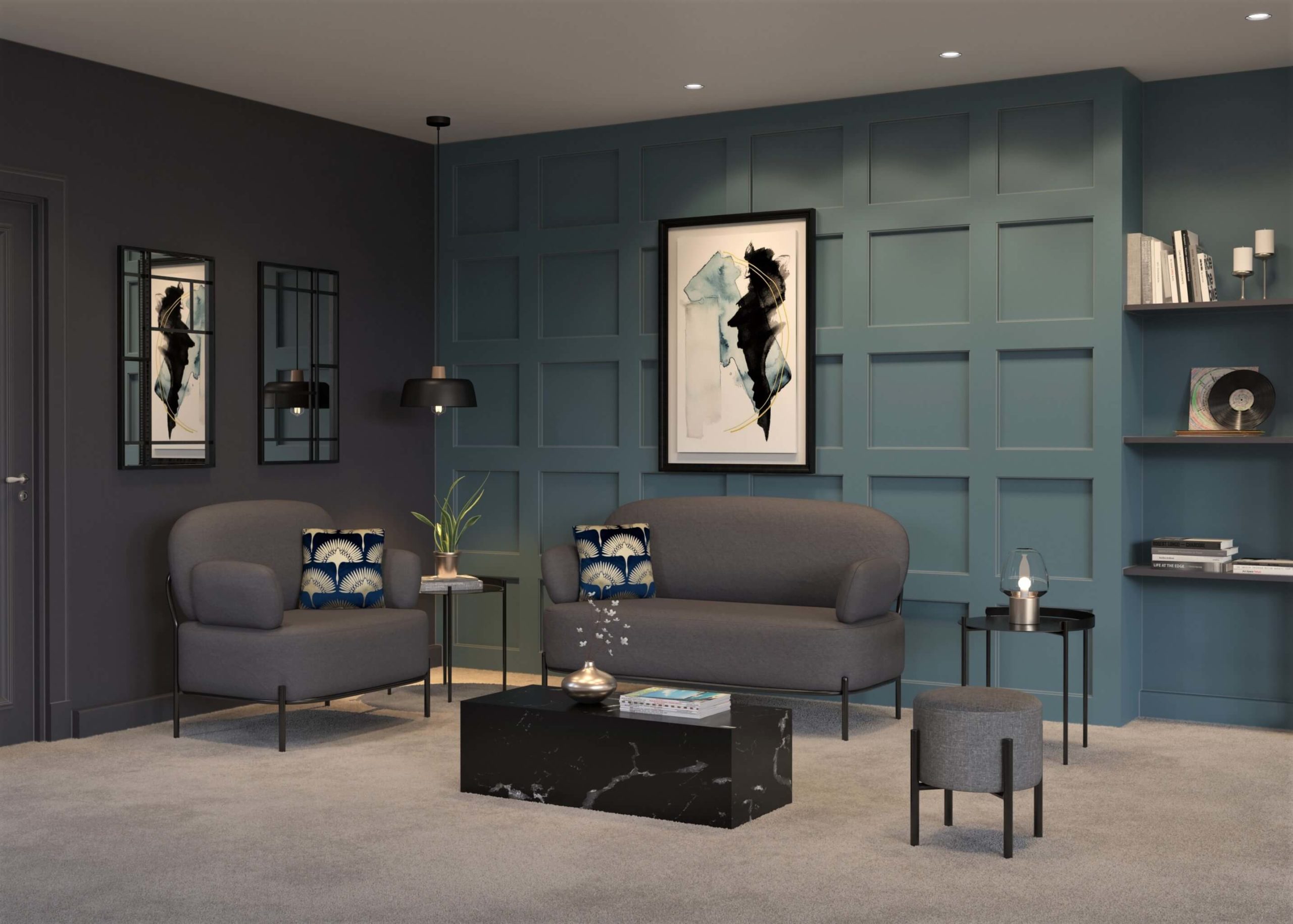
3D visualization is an opportunity for e-commerce, particularly in the home furnishings and decoration sectors. It allows brands to dispense with real-life photo shoots, showcase their products in environments to their liking, and visualize prototypes before they are manufactured.
By using 3D visualization in marketing, brands can create professional-quality 3D images of products, such as furniture and home furnishings, that are more faithful to reality than traditional 2D images. This gives consumers a more accurate idea of product size, shape and color. By using virtual 3D visualization, brands can also show products from different angles, enabling consumers to better understand the products.
Finally, 3D visualization offers an additional advantage for brands, with the ability to show products in situation in a room, with combinations of furniture, fixtures and decoration, enabling consumers to better visualize the integration of these products into their own environment. Brands can also use 3D visualization to create interactive experiences for consumers, such as virtual store tours or product simulations, offering a more personalized and interactive shopping experience. 3D visualization is a key tool for furniture and home furnishings brands to adapt to e-commerce trends and opportunities.
Virtual reality product simulation:
an asset for high-end and luxury brands
Virtual reality product simulation enables brands to create immersive experiences for consumers, who can more easily visualize products and apprehend materials, colors, textures and finishes. This immersive experience reinforces the user experience and increases consumer purchase intent.
By using virtual reality product simulation in marketing, high-end and luxury brands showcase their products in highly sought-after settings. Consumers explore products interactively, giving them a more detailed and accurate insight into product features and functionality. Consumers visualize products in a real-life context, such as the integration of luxury furniture in a room, or how the textures and finishes of high-end furniture blend with the materials and colors used in decor.
By using 3D rendering of furniture in their marketing, high-end and luxury brands can enhance the user experience and strengthen consumer attachment to their products. Virtual reality technologies enable brands to create immersive, interactive experiences that are difficult to replicate with other types of media. This can help brands increase sales and improve their positioning in the high-end and luxury markets.


In short, the use of 3D visualization in marketing is constantly evolving, offering brands new opportunities to connect with their audiences. It creates immersive experiences for consumers that help them better visualize products and environments, enhance the user experience, and increase purchase intent. Current trends in 3D visualization in marketing include the use of augmented reality and virtual reality to create immersive and exclusive experiences for consumers. Furniture brands can use these trends to enhance their content strategy and create a stronger brand experience for consumers.
If you’d also like to take advantage of the possibilities offered by 3D, please don’t hesitate to contact us to discuss how we can improve your marketing.