
7 case studies where photorealistic 3D visuals surpassed reality
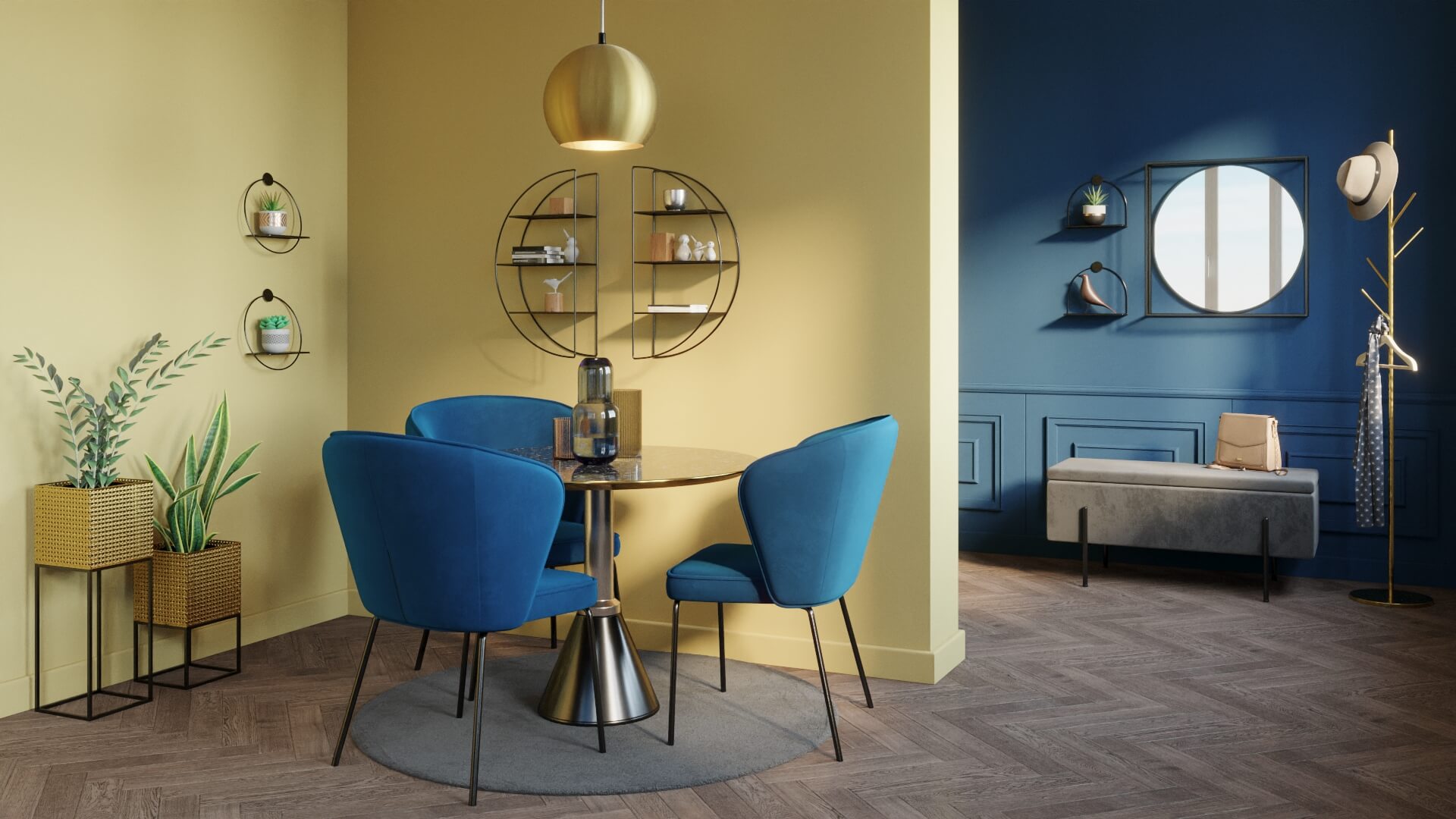
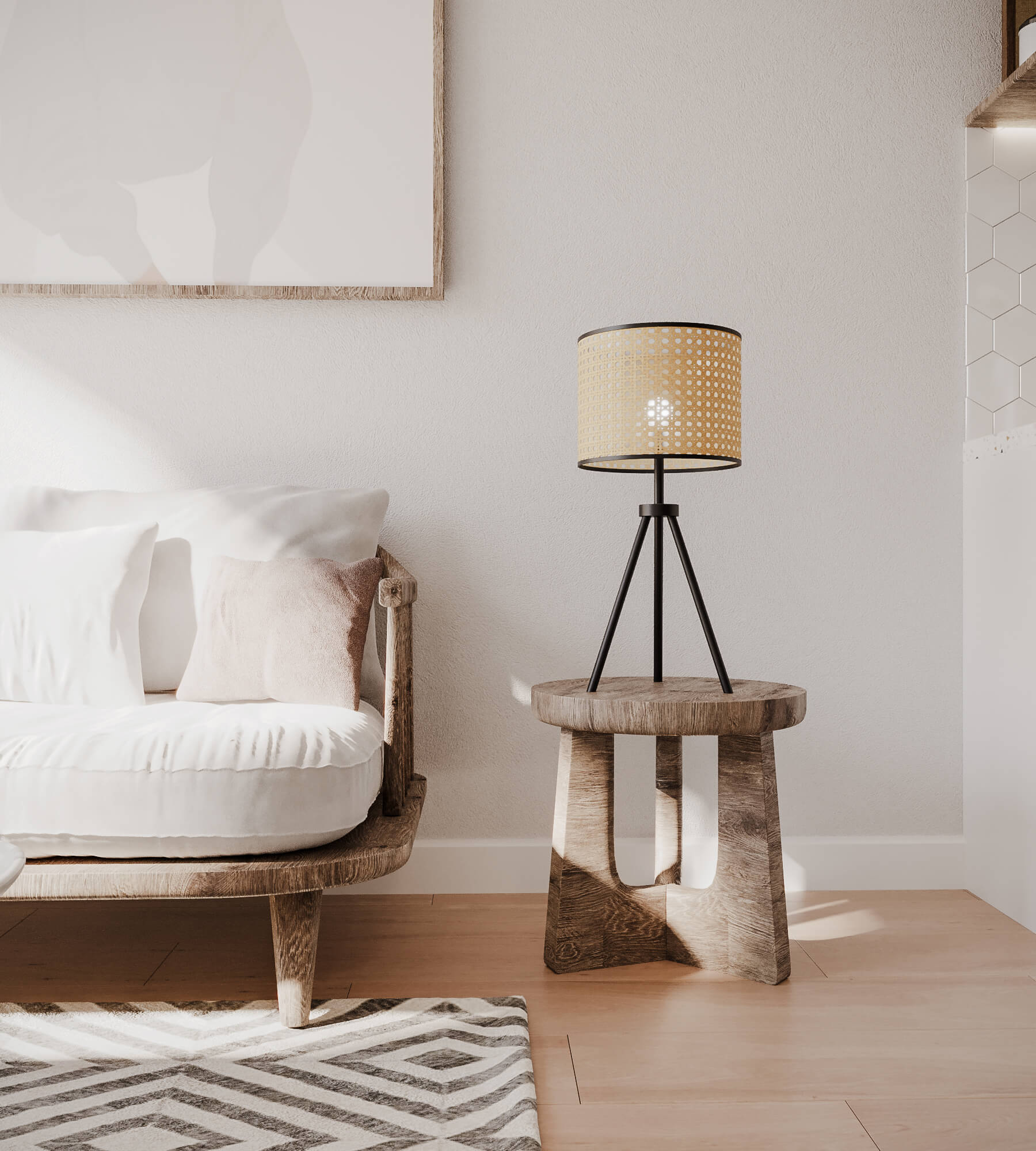
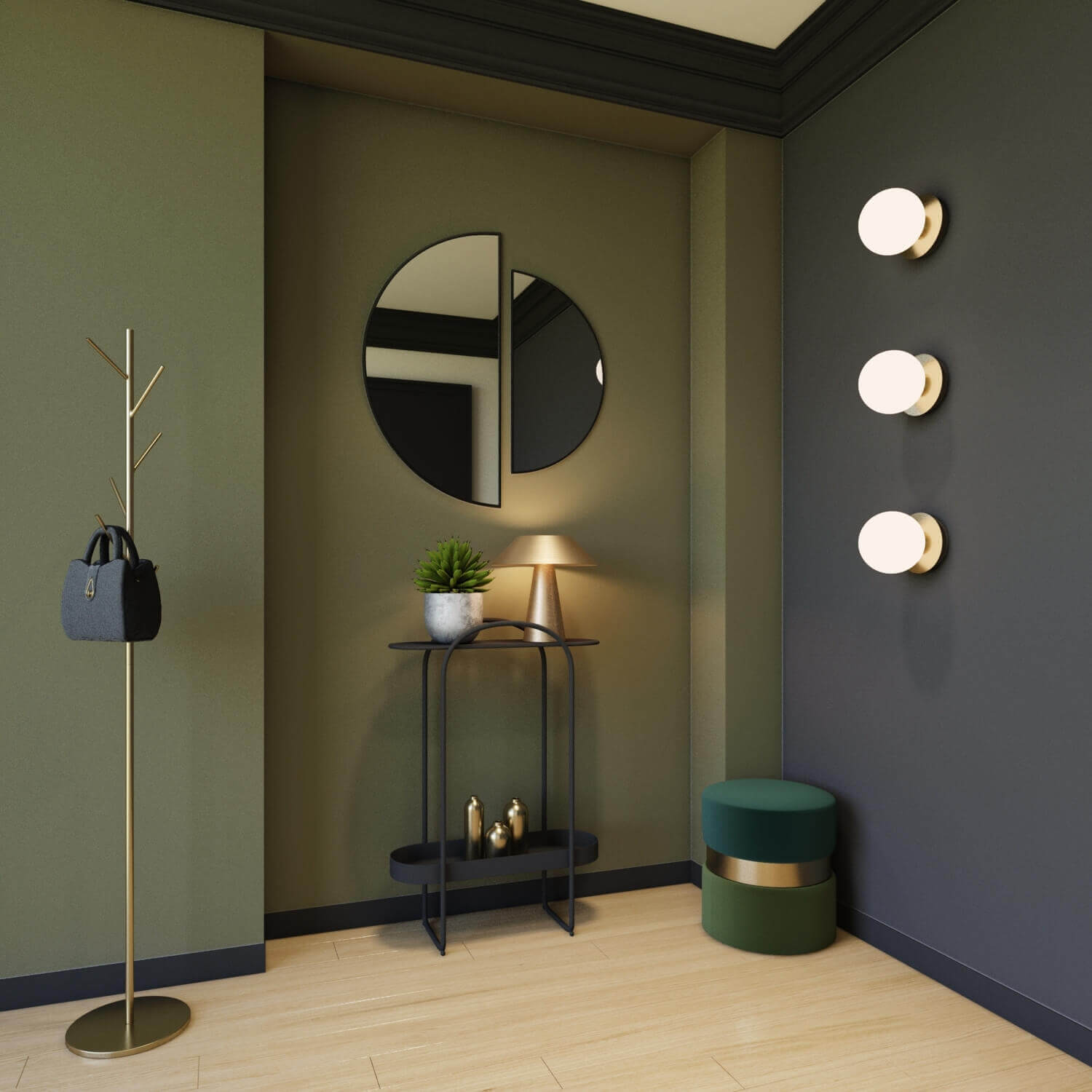
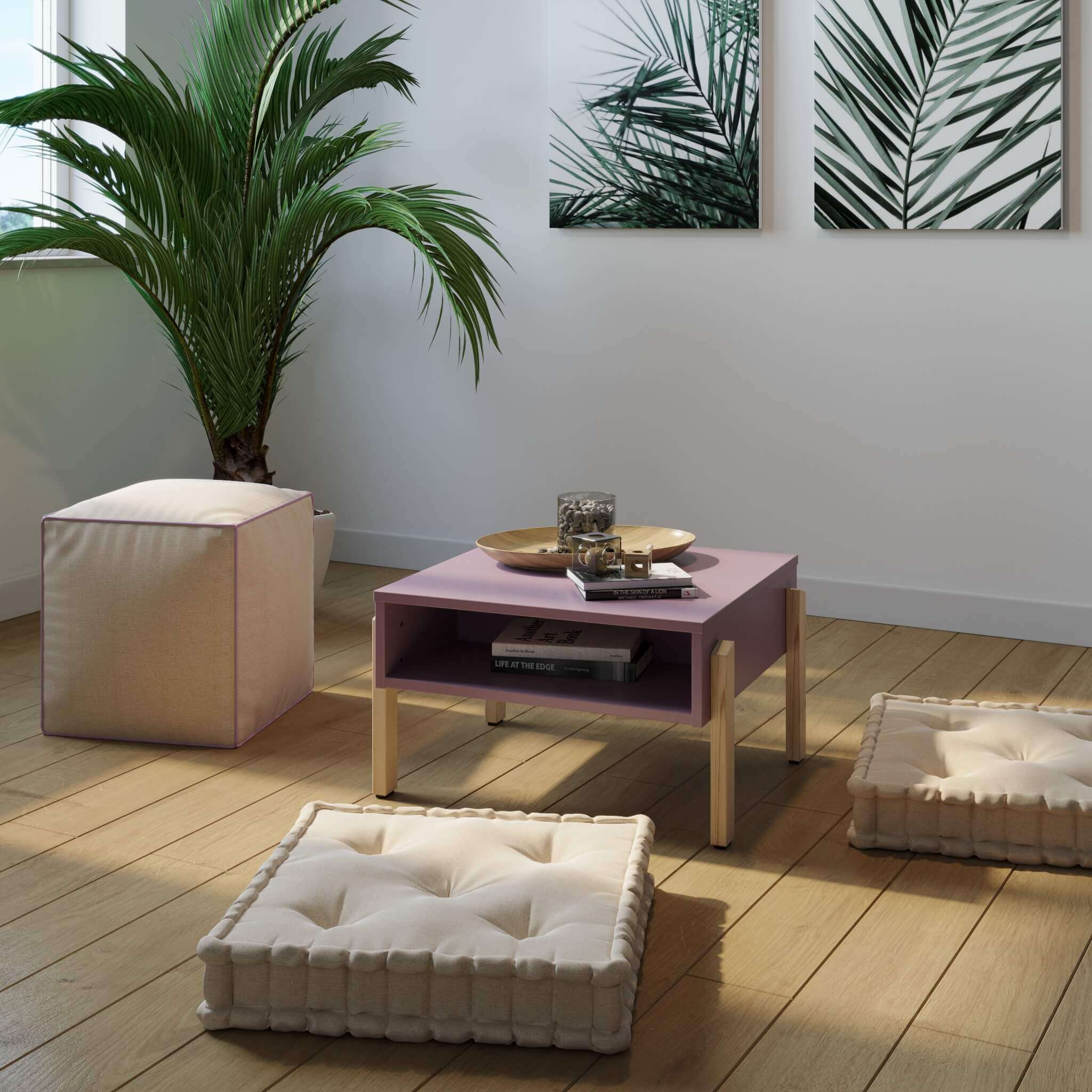
Photorealistic 3D interior visuals are increasingly used in the furniture industry. After having had only situational photography as an option, furniture manufacturers and retailers can now use CGI renderings to showcase their products. Setting furniture in lifestyle scenes is not just a fad, it has become an indispensable tool for any marketing campaign.
It goes without saying that the 3D creation service solves many of the problems associated with traditional photography: there’s no need for logistics or to rent a photo studio, the visual can be retouched as many times as required “after the shoot”, and the furniture and scene variations are infinite. But the most powerful and sometimes overlooked advantage of 3D is that we can recreate any environment. And that’s a financial gain beyond measure. What would you do if your management insisted on photographing their office furniture on top of an airport control tower? What are your options for testing public reaction to your furniture prototype while it’s still in the design stage?
There are many difficulties inherent in showcasing furniture products. Here we present some of our customers’ most surprising requirements, and how we went about meeting them. Here are 7 concrete cases of photorealistic 3D interior visuals that would have been very difficult to realize in reality.
Photorealistic 3D interior visuals: present your prototypes before production
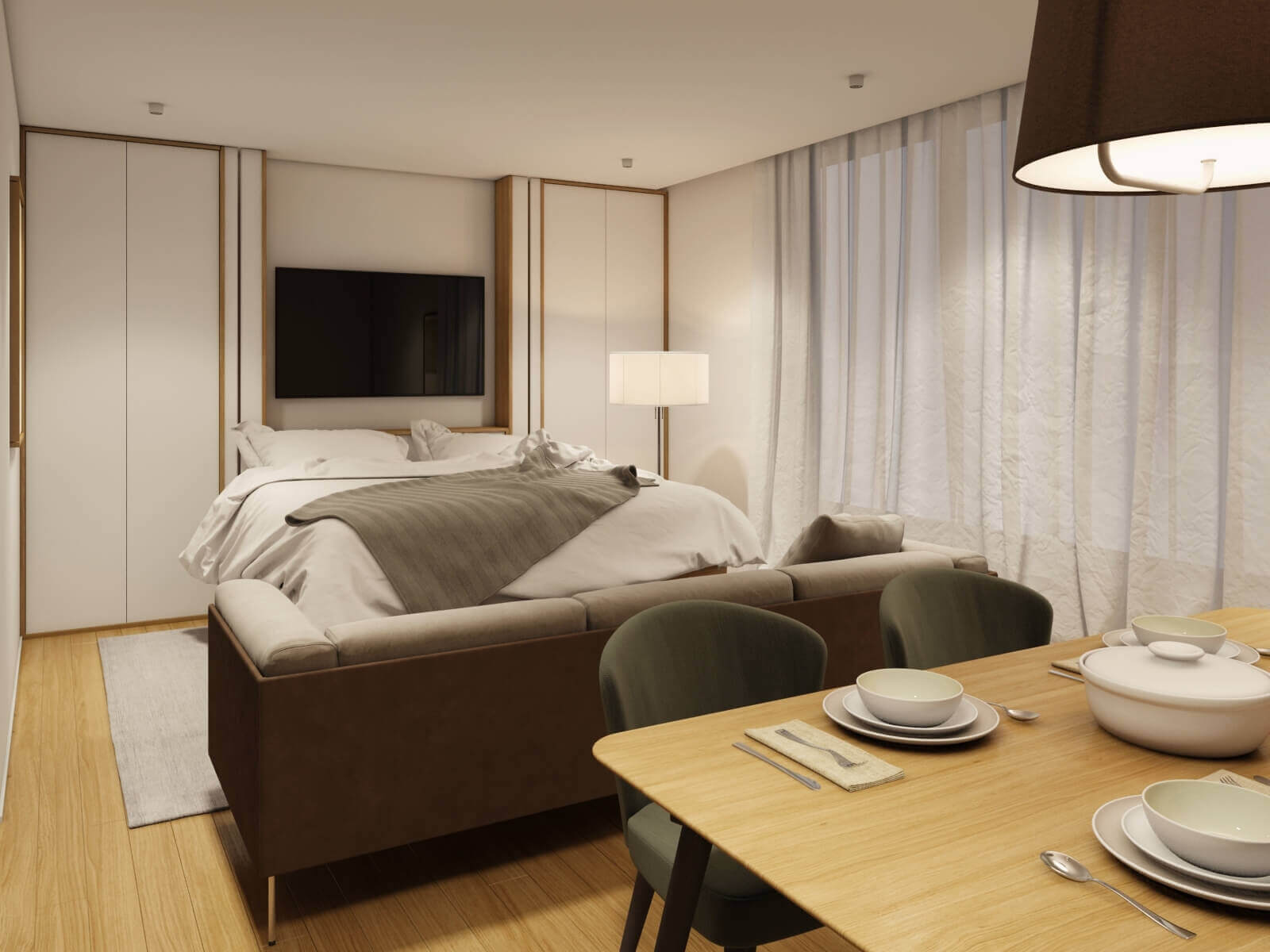
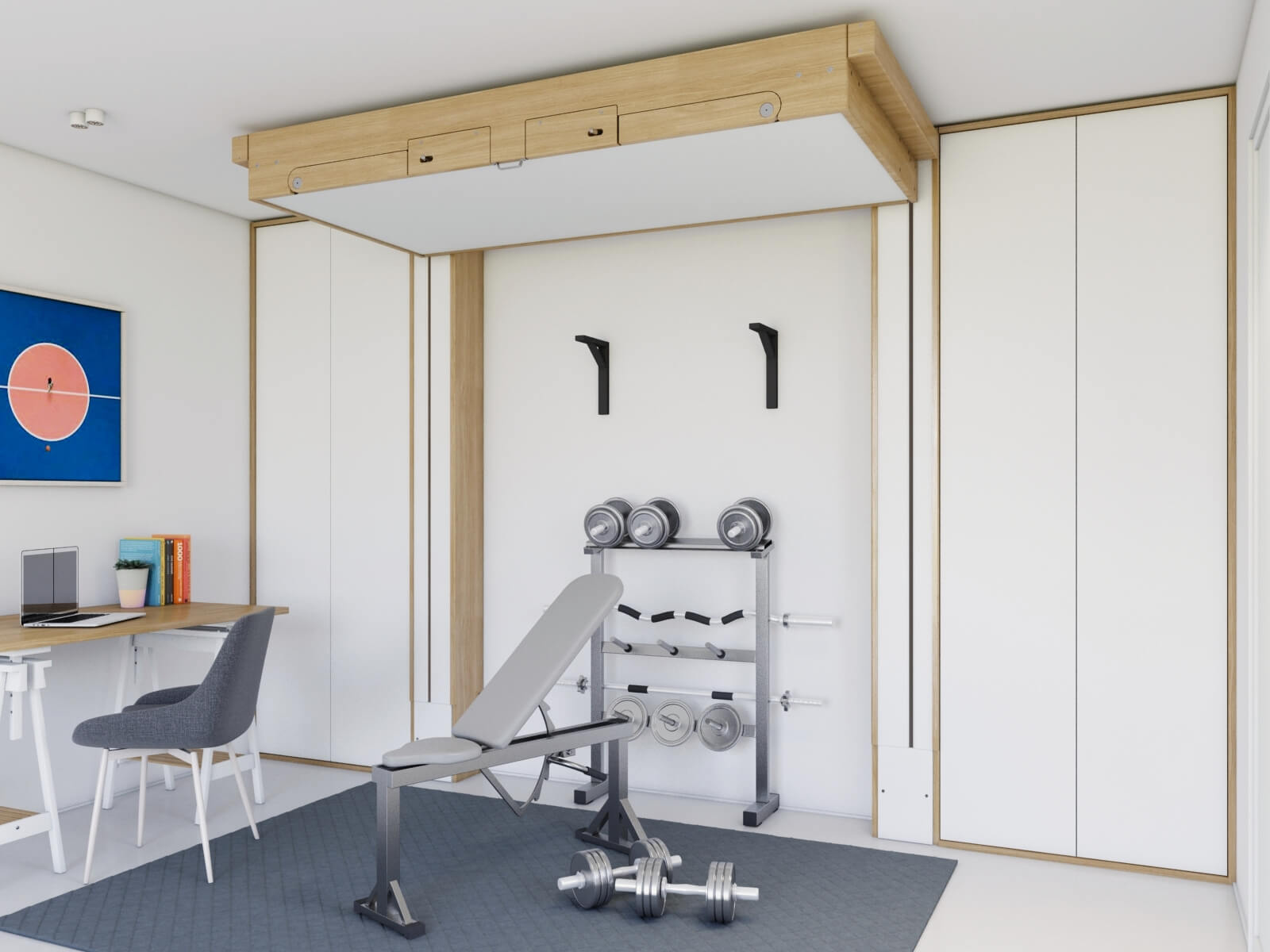
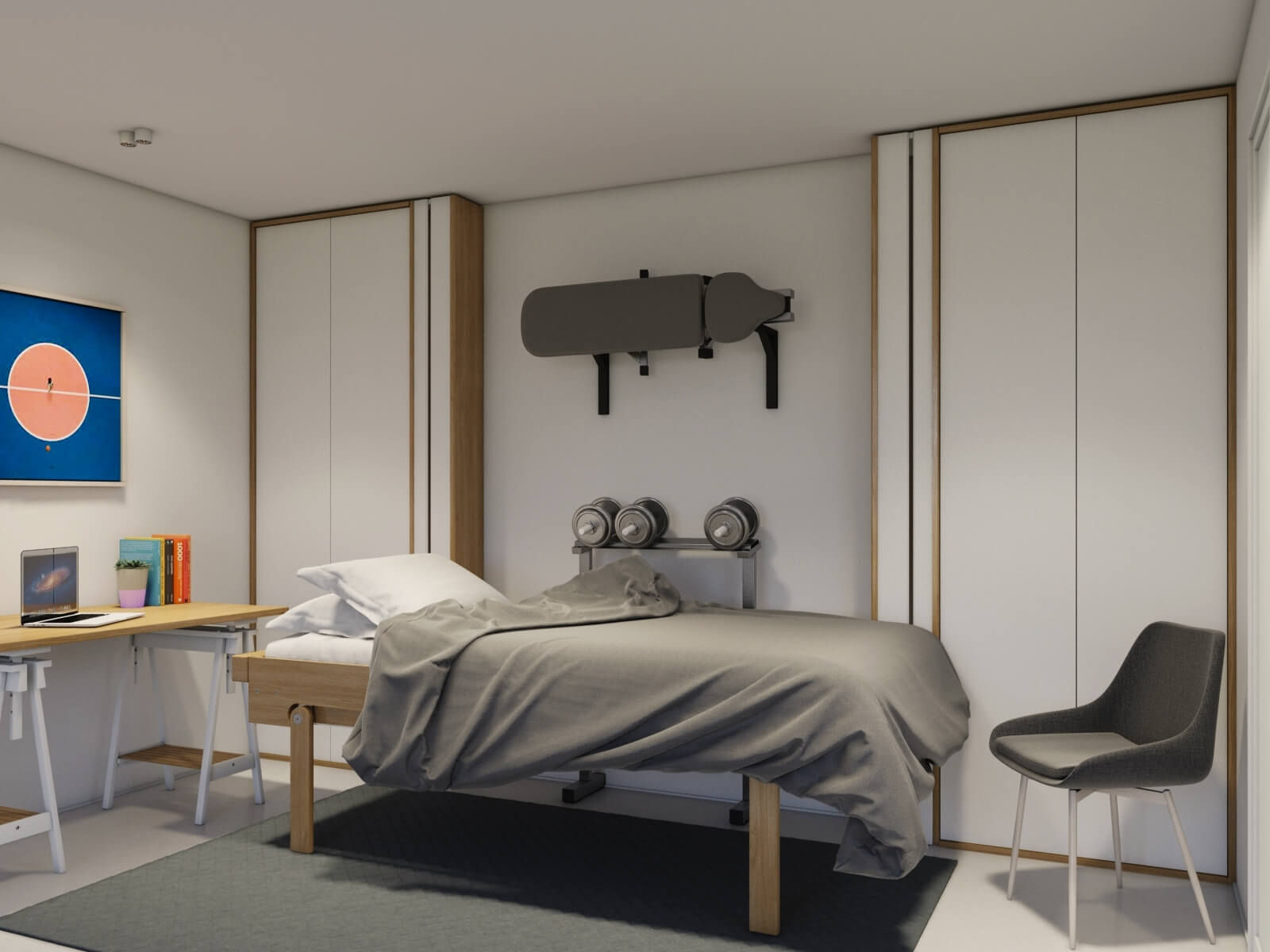
Our client approached us with the following problem: how to present his lift-up bed concept to the public when the furniture was not yet completely ready for market? Presenting two versions of the photorealistic 3D visual of the interior seemed the most appropriate: a daytime version with the bed raised, and a nighttime version.
The first renderings were conclusive. We created several scenes featuring different versions of the furniture. The idea was to show how this unique furniture saves space, especially in small spaces. The ambiances are in line with the customer’s target and strategy: a small children’s or teenager’s bedroom, or a student studio. What do you think of the results?


With CGI, nothing is impossible
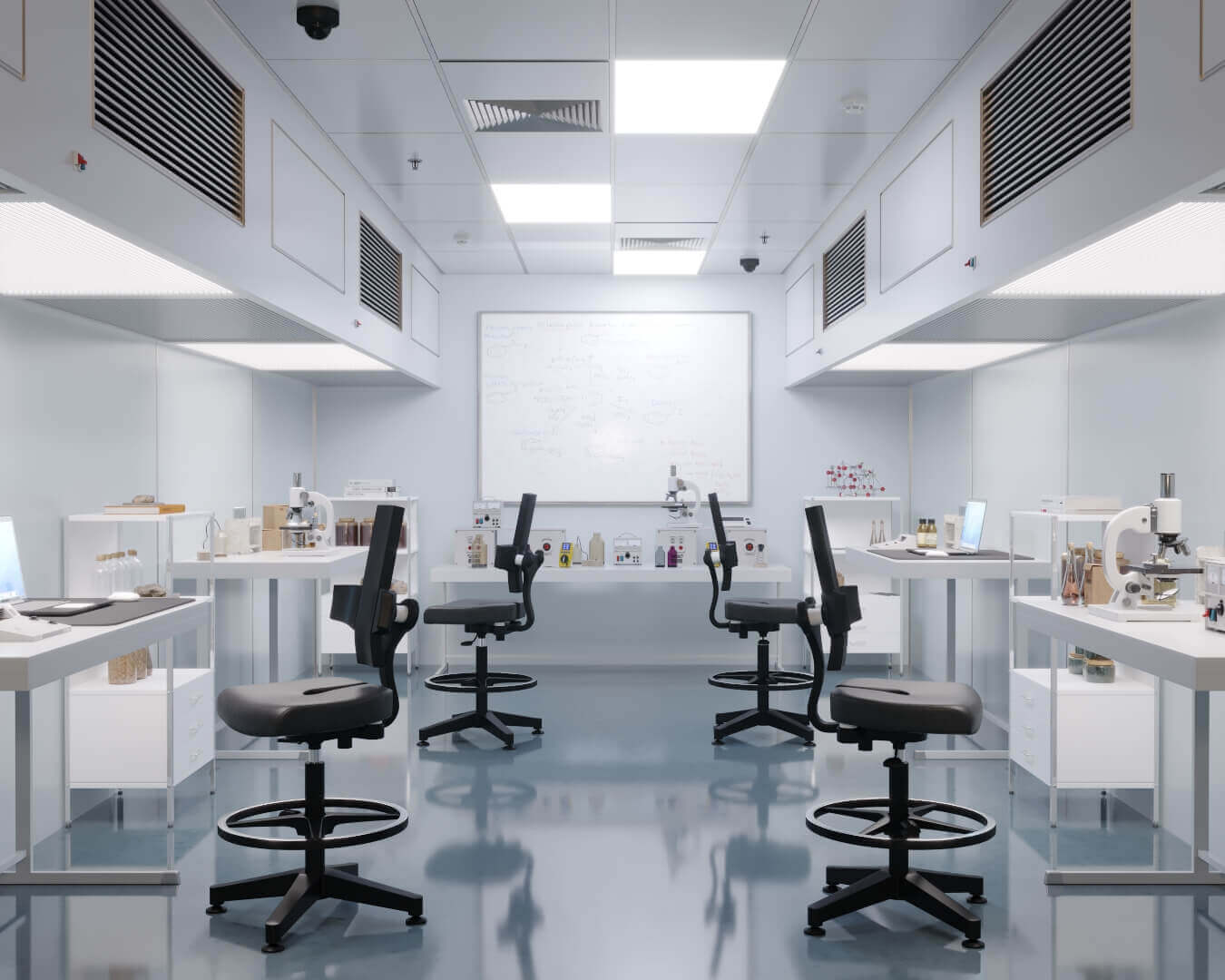
We sometimes meet customers with overactive imaginations. For example, I worked for a company that made office furniture, but didn’t want to present its products in the traditional way. We had to show that these products could be used in a variety of trades, conveying a spirit of innovation as well as tradition.

For this project, we chose to create a laboratory cleanroom and a watchmaking workshop. The main difficulty here was finding the accessories to decorate the ambiences. We had to scour 3D object libraries to find objects that would add realism to the 3D renderings. But the result is pretty convincing, don’t you think?

Easily declining products with photorealistic 3D interior visuals
Imagine for a moment that you’re a manufacturer of designer banisters, looking for the best way to present your products? How would you go about photographing, say, a dozen banisters? You’d have to find the ideal home for the craftsman to install his banisters over and over again. Just imagine the hassle!
Instead, our customer chose our 3D photorealistic interior design service. Starting with the customer’s CAD file, we modeled the railings in 3D, then placed them in a custom-made scene. And then we let the magic of 3D work:

Photorealistic 3D visuals for interiors: the freedom to imagine
Still on the theme of “impossible shoots”: imagine the difficulties you might encounter when trying to photograph office chairs in a control tower? But with 3D, the problem is quickly solved.
Using the seat modeling files provided by the customer, imagination and a little know-how, we built this scene. The greatest difficulty was finding the background photos, which you can see through the windows. How do you rate this photorealistic 3D interior visual?

Drop-shipping with photorealistic 3D interior visuals
As you know, the main problem with drop-shipping furniture is that the seller doesn’t have the opportunity to photograph the product himself, since he’s not supposed to have it physically in stock. Of course, he has the manufacturer’s photos, but that’s not a selling point. The drop-shipping retailer has only one alternative for successfully showcasing his merchandise in attractive settings: photorealistic 3D interior visuals.
Convinced of the quality of the images created by our 3D visualizers, our customer entrusted us with the production of a large part of their visuals. In collaboration with their art director, we produced nearly thirty realistic 3D visualizations, including the following:


From moodboard to photorealistic 3D interior design
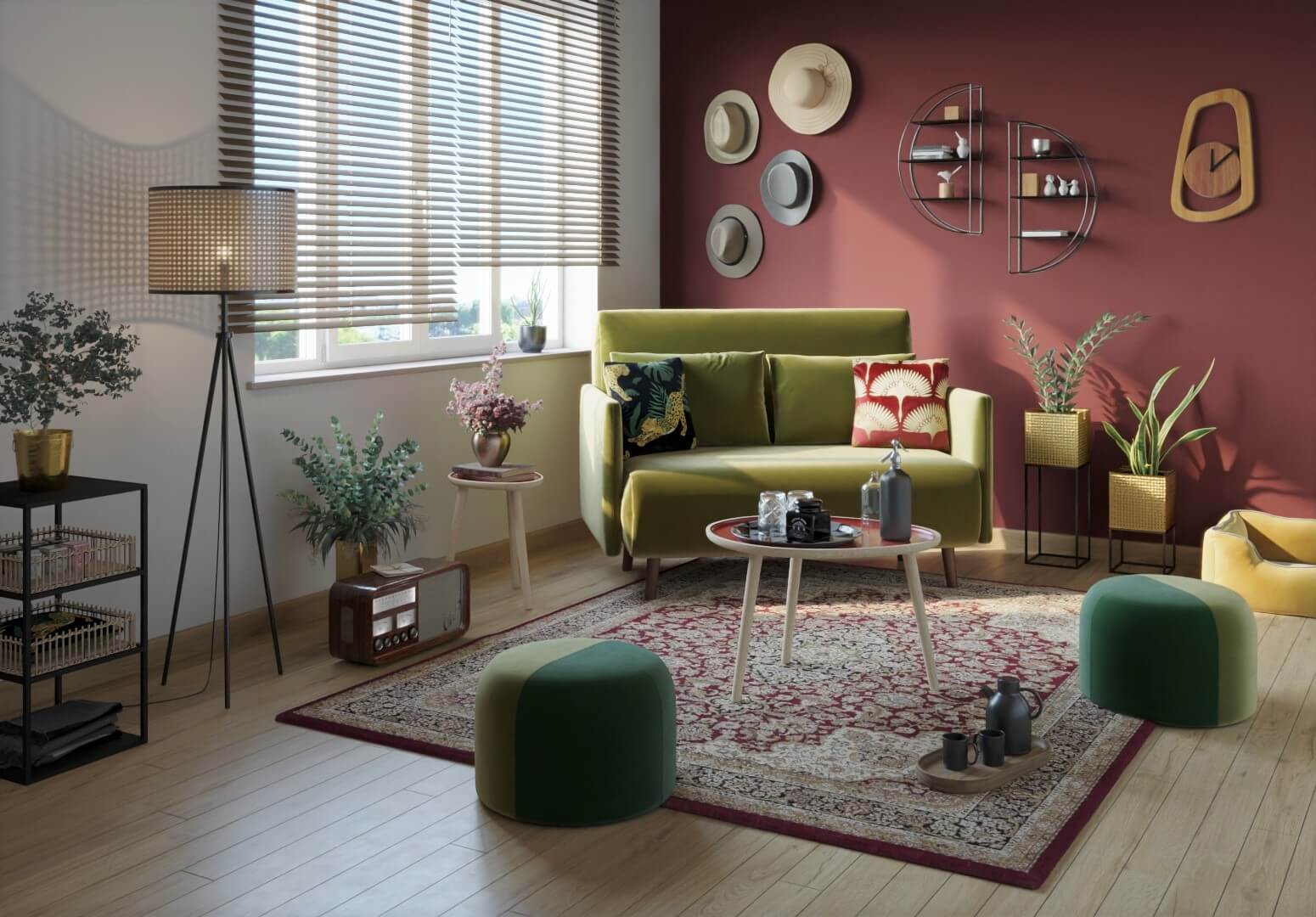
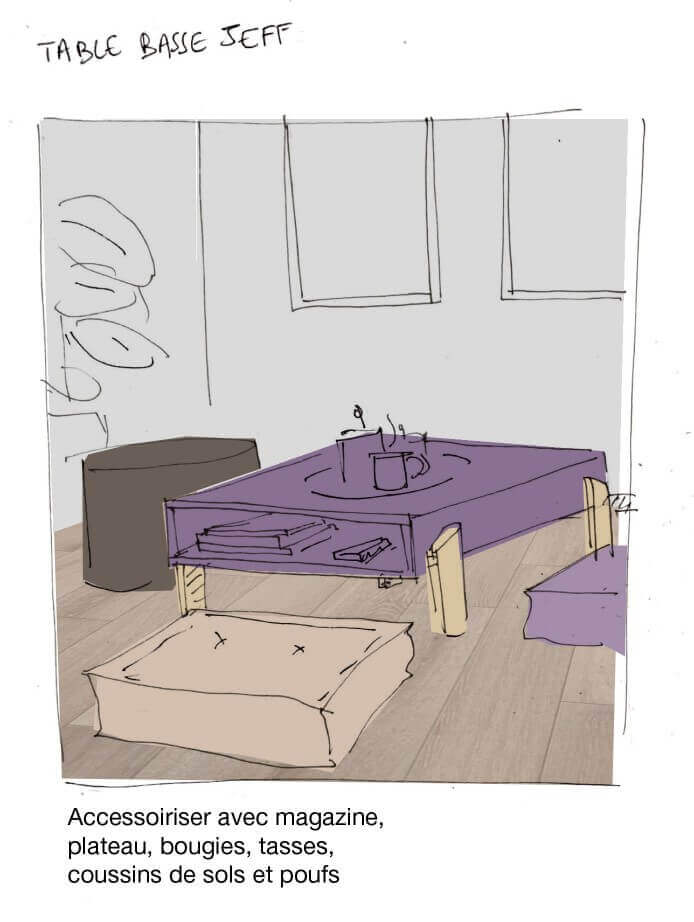
Being able to work in collaboration with an art director makes it much easier to create lifestyle ambiances: the customer validates the moodboard with their AD beforehand, and then we give shape to their concept.
When we know exactly what the scene should look like, the graphic designer saves a considerable amount of time. This time saving is then passed on in the price of the visuals, and deliveries follow more smoothly. This is what we did for a French customer, in collaboration with art director Emilie Mauriange:


The bathroom will no longer be your hell
Bathroom manufacturers and retailers will agree: making a photo shoot of bathroom furniture is a real ordeal. Moving the merchandise, setting it up and taking it down are already endless sources of trouble. Whether at a photographer’s or a villa’s, the hassle is disproportionate.
With 3D, on the other hand, everything runs smoothly. From basic photos of the furniture and a precise moodboard, we can recreate a photorealistic 3D visual of the interior, delivered in very high resolution (4K) for use in your catalogs. In the case of this visual, the customer herself had chosen the wallpaper and type of decor. Thanks to the 2 corrections offered, we can easily reproduce what the customer has in mind.

In conclusion, the use of photorealistic 3D interior visuals is becoming increasingly common in the furniture industry. It enables furniture manufacturers and retailers to showcase their products in a realistic and creative way. The advantages of 3D creation over traditional photography are numerous, including the ability to retouch the visual as many times after shooting, to recreate any environment and to present prototypes before realization. What’s more, the examples presented in this article show that 3D can meet even the most surprising customer requirements, demonstrating that “nothing is impossible” with 3D.
Do you have an idea in mind and would like to give us a new challenge? Contact us today!